







JOIN US ALL YEAR ROUND IN SOLVING EDUCATIONAL RESOURCES SHORTAGE IN SCHOOLS

DONATE

The Challenges

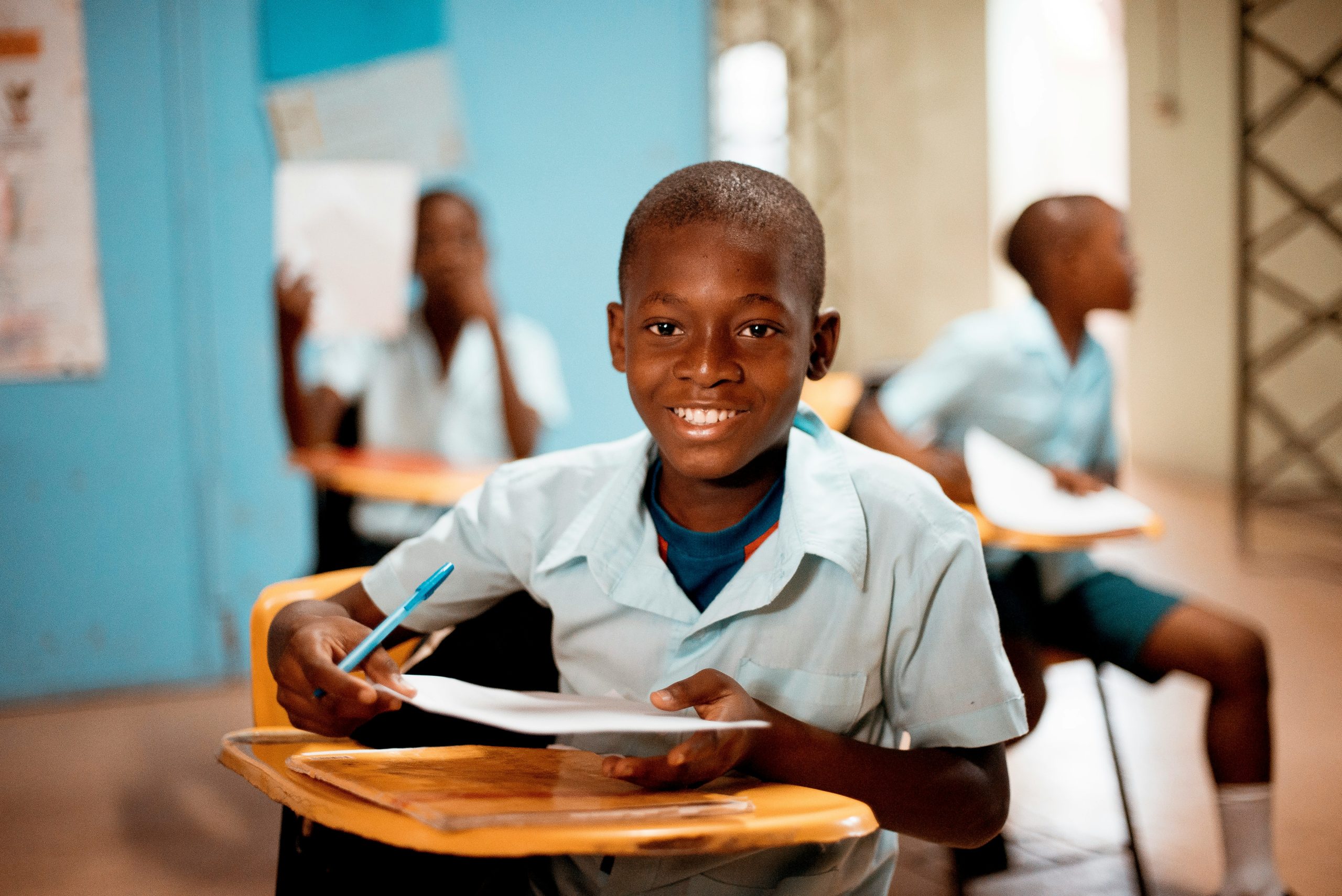
Despite the enshrined right to education in South Africa’s constitution and the global commitment to Sustainable Development Goal 4, a significant disparity persists in access to adequate and quality learning resources within our Early Childhood Development centres (ECDs), primary, and secondary schools.

This shortage disproportionately affects learners in under-resourced communities, hindering educators’ ability to deliver engaging and effective lessons, ultimately compromising the learning experience and future opportunities for countless young South Africans.

The lack of essential tools, from basic stationery and textbooks to age-appropriate learning materials and technology, not only impedes academic progress but also stifles creativity, critical thinking, and the holistic development necessary for a prosperous and equitable society. This resource deficit creates an uneven playing field, undermining the potential of our youth and perpetuating cycles of inequality.

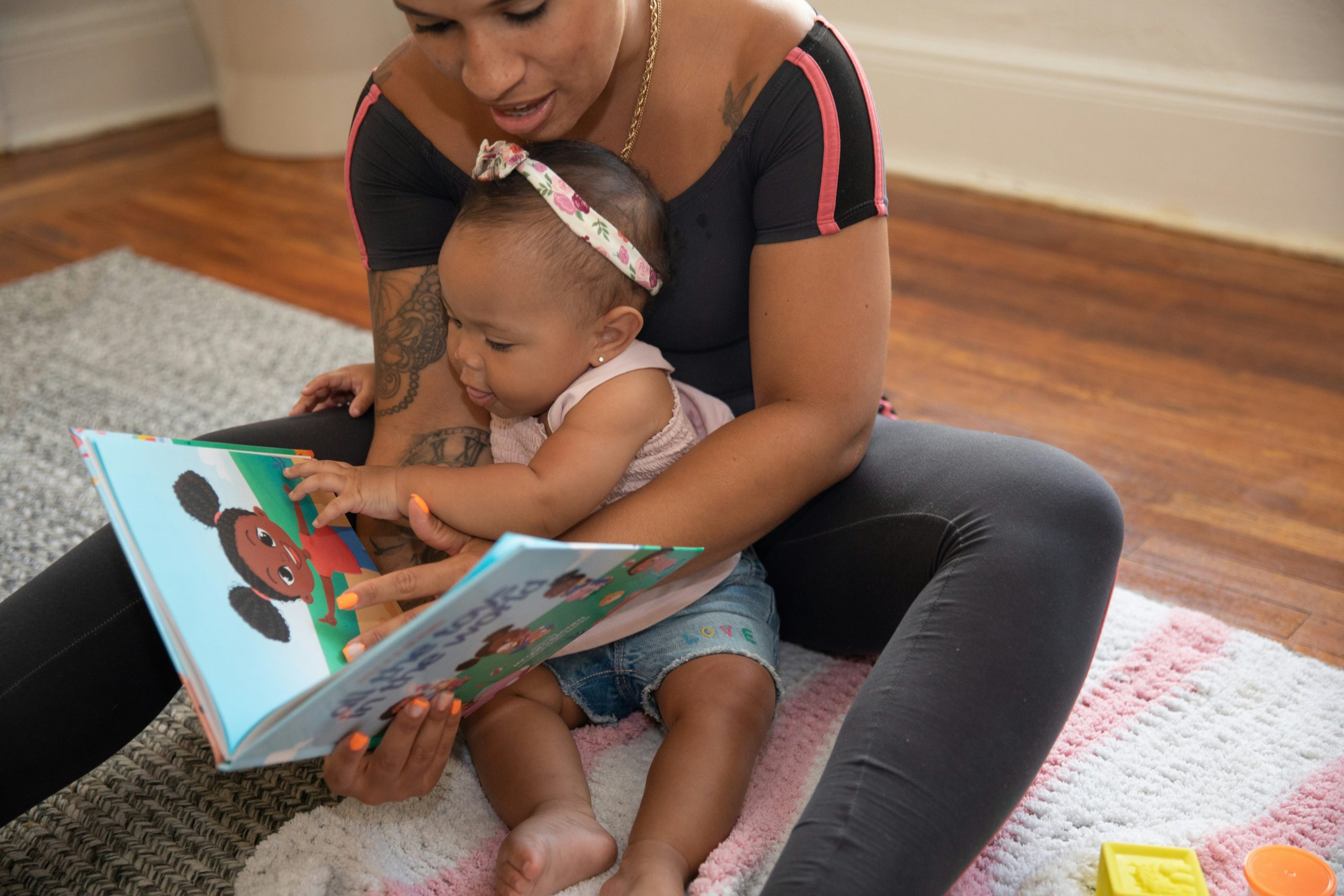
Various research reports consistently shows inadequate access to quality ECD programmes for a large proportion of young children, particularly those from low-income backgrounds, with limited resources being a major contributing factor.

Things To Do. Take Action!

Donate your used and new books, tablets, laptops, toys, sneakers, shoes etc. The easiest way to give access to knowledge is to donate used and new educational items to someone. Here is an inexhaustible list of items that BACKTOSCHOOL.org.za collects and donates to schools, considering the needs of ECD centres, primary, and secondary schools, and including digital learning resources:
  1. Literacy and Language Development
  2. Numeracy and Mathematics
  3. Science and Technology
  4. Arts and Culture
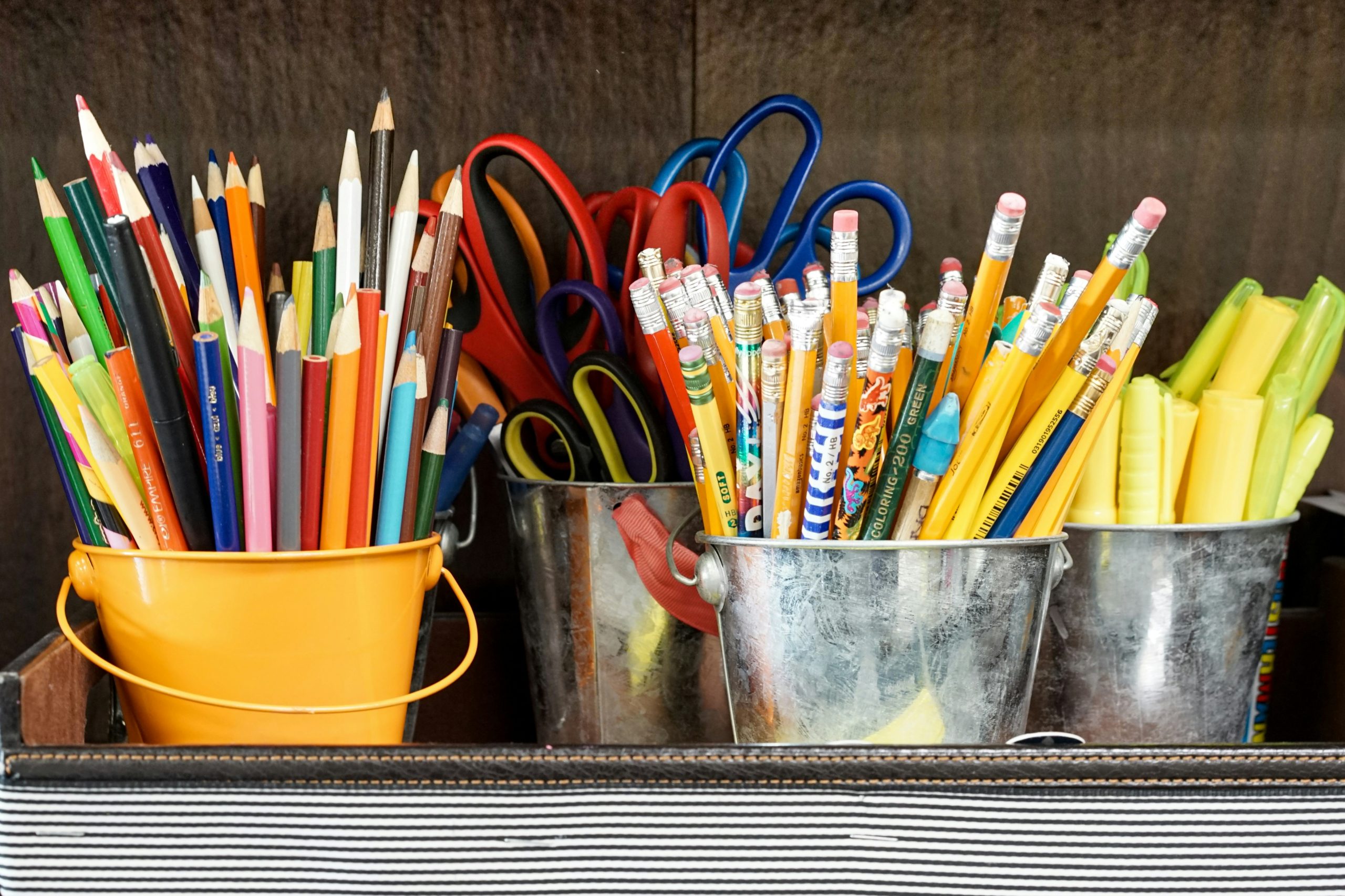
  5. Stationery and General Supplies
  6. ECD Specific Resources
SEE FULL LIST. TAKE ACTION!

Key Outcomes From Relevant Research Reports

  • Investing in quality early childhood education, including adequate resources, yields long-term benefits. Research on Grade R (Reception Year) Provision and Quality (e.g., studies by the LEGO Foundation, universities, 2022-2024).
  • Addressing resource shortages can help reduce factors contributing to school dropout. Analyses of School Dropout Rates and Contributing Factors (e.g., Human Sciences Research Council – HSRC, Department of Basic Education, 2022-2024)
  • Significant disparities in access to quality early learning opportunities, driven by funding constraints and limited resources in many ECD centres. The State of Early Childhood Development in South Africa (Various Reports, e.g., Ilifa Labantwana, 2023/24)
  • Gaps remain in ensuring all learners have access to the necessary textbooks and learning materials. Research on the Provision of Learner Teacher Support Material (LTSM) (Department of Basic Education reports, independent studies, 2022-2024)
  • Digital learning can be beneficial but requires equitable access to technology, infrastructure, and effective implementation strategies. Studies on the Effectiveness of Digital Learning Initiatives in South Africa (Post-Pandemic Focus, Various Authors, 2022-2024)
  • Technology could offer solutions for better resource allocation and tracking. Research on the Use of Technology for Administrative and Resource Management in Schools (Emerging Area, 2023-2024)
  • Community partnerships are valuable for addressing resource gaps at the local level. Studies on the Effectiveness of Community-Based Initiatives in Supporting Education (e.g., evaluations of NGO programmes, local initiatives, 2022-2024)
  • Significant and persistent learning deficits, exacerbated by socioeconomic inequalities and unequal access to learning support during disruptions. National Income Dynamics Study – Coronavirus Rapid Mobile Survey (NIDS-CRAM) Wave 6 (2022).
  • Need for stronger linkages between teacher training bursaries and placements in schools with the greatest resource needs. Fundza Lushaka Bursary Programme Evaluation (2023).
  • While there’s some progress, a substantial portion of Grade 4 learners still lack foundational reading skills, strongly correlated with school resource quality. Progress in International Reading Literacy Study (PIRLS) 2021 South African Results (2023).
  • Deep-seated challenges in foundational STEM education, significantly influenced by disparities in school resources and teacher quality. Trends in International Mathematics and Science Study (TIMSS) 2019 South African Results.
  • Systemic inequalities in education funding contribute to the resource shortages faced by many schools. Analyses of Provincial Education Budgets and Resource Allocation (e.g., работы Section27, 2022-2024)
  • Empowering educators with the skills to maximize the impact of available resources is crucial. Teacher Professional Development Studies (e.g., South African Council for Educators – SACE research, university-led studies, 2022-2024)
  • Mainstream schools often lack the necessary resources and capacity to provide inclusive education. Studies on the Experiences of Learners with Disabilities in Mainstream Education (e.g., work by disability advocacy organisations, universities, 2022-2024)
  • Strengthening the capacity of SGBs in under-resourced schools is crucial for effective resource utilisation. Research on the Role of School Governing Bodies (SGBs) in Resource Management (Various Authors, 2022-2024)

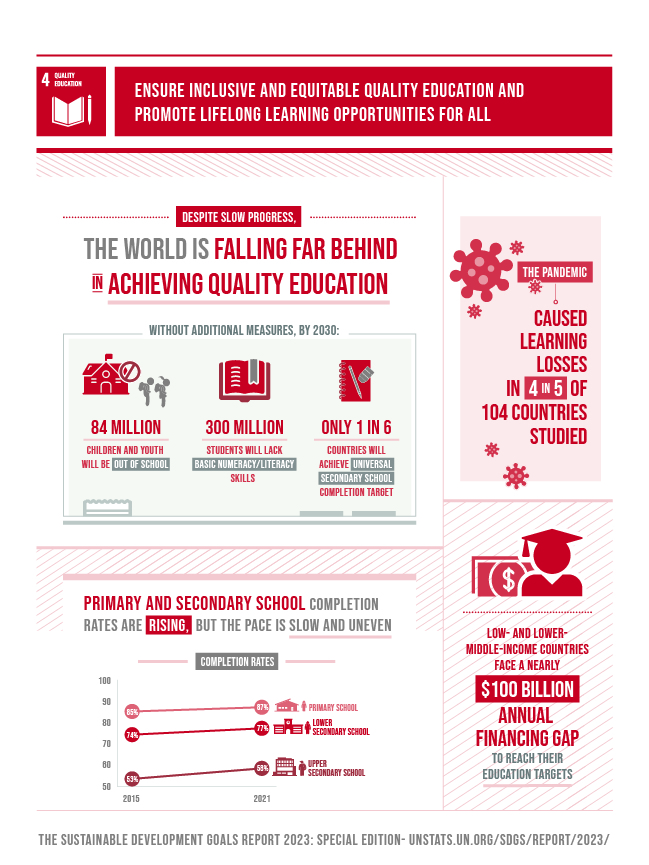
Ensure inclusive and equitable quality education and promote lifelong learning opportunities for all.